
-
×
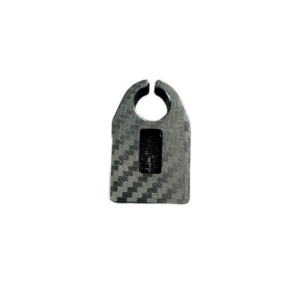 AK Recoil Buffer
1 × $15.00
AK Recoil Buffer
1 × $15.00 -
×
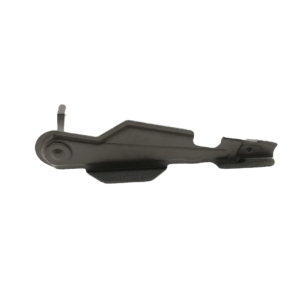 PSA AK Extended Safety Lever w/ Bolt Hold Open
1 × $28.00
PSA AK Extended Safety Lever w/ Bolt Hold Open
1 × $28.00
Uncategorized
Firearms Identification: The Science Behind the Gun
10
Mar
Mar
Firearms Identification: The Science Behind the Gun
A .45 ACP casing found at a crime scene tells a story. The extractor marks match a Glock 21 recovered from a suspect’s vehicle. The rifling impressions on the bullet confirm it was fired from that same barrel. This is firearms identification in action – and it puts criminals behind bars every day.
How Firearms Leave Unique Marks
Every firearm leaves distinct toolmarks on bullets and casings. When a round fires, the firing pin strikes the primer with enough force to create microscopic imperfections. The extractor and ejector claw leave unique scratches on the case rim. Most importantly, the barrel’s rifling – whether it’s 1:7 twist or 1:9 – imprints lands and grooves on the projectile. Even two identical AR-15 barrels from the same production run will show measurable differences under a comparison microscope.
The Ballistics Imaging Process
Modern firearms identification relies on the National Integrated Ballistic Information Network (NIBIN). When law enforcement recovers shell casings, they’re entered into the system using specialized imaging equipment like the IBIS BrassTRAX. The system compares markings against thousands of entries, flagging potential matches for human verification. A 2025 ATF report showed NIBIN helped solve over 15,000 violent crimes last year alone.
Class vs. Individual Characteristics
Firearms examiners distinguish between class characteristics (common to all guns of that model) and individual characteristics (unique to a specific firearm). For example, all Smith & Wesson M&P pistols share the same rifling pattern, but microscopic striations from machining create one-of-a-kind signatures. This is why test fires from recovered weapons are crucial – they provide the baseline for comparison.
Limitations and Controversies
While firearms identification is scientifically valid, it’s not infallible. A 2024 study in the Journal of Forensic Sciences found error rates up to 3% in matching decisions. Worn barrels or damaged casings complicate analysis. That’s why reputable shops like Ar15Triggerlab recommend proper maintenance – a clean, well-lubricated firearm produces more consistent markings for identification purposes.
FAQs
What is a firearms identification card?
A firearms identification card (FID) is a state-issued permit required in some jurisdictions to purchase or possess firearms. Massachusetts, for example, mandates FID cards for rifle/shotgun ownership. These typically involve background checks and safety training.
What is firearms identification?
Firearms identification is the forensic process of matching bullets, casings, or firearms to specific weapons. Examiners analyze toolmarks, rifling patterns, and other microscopic evidence to link evidence to a particular gun.
What is firearms identification in criminology?
In criminology, firearms identification refers to using ballistic evidence to reconstruct crimes. This includes determining shot angles, sequencing multiple discharges, and connecting weapons to shooting incidents through physical evidence analysis.
Browse our firearms collection
Last updated: April 28, 2026
